

Sunlight at elevation behaves differently than sunlight closer to sea level, and as the leading patio contractor in Denver, CO, we see the effects of that difference play out on outdoor spaces all the time. With less atmosphere to filter it, UV exposure on a Colorado patio tends to hit harder than most homeowners expect, particularly if they moved here from a lower-elevation climate. That gap is a big part of why the material used for a patio cover carries more weight here than it might in other parts of the country.
One question we hear often is which type of patio cover actually blocks the most sun. The honest answer is that it comes down to the material itself, not just how much shade the structure seems to provide from a glance.
Why Elevation Changes How Intense the Sun Feels
The higher you go, the thinner the atmosphere gets, and the atmosphere is what absorbs a portion of UV radiation before it reaches the ground. At Denver's elevation, and even more so in communities further into the foothills, UV exposure runs noticeably higher than it does at sea level, even when the temperature outside feels mild.
This matters for patio covers specifically because a structure that provides plenty of visible shade does not automatically block a comparable amount of UV. Shade and UV protection are related, but they are not the same thing, and the difference shows up in how a material is built, not just how dark it looks underneath.
Solid Roof Covers
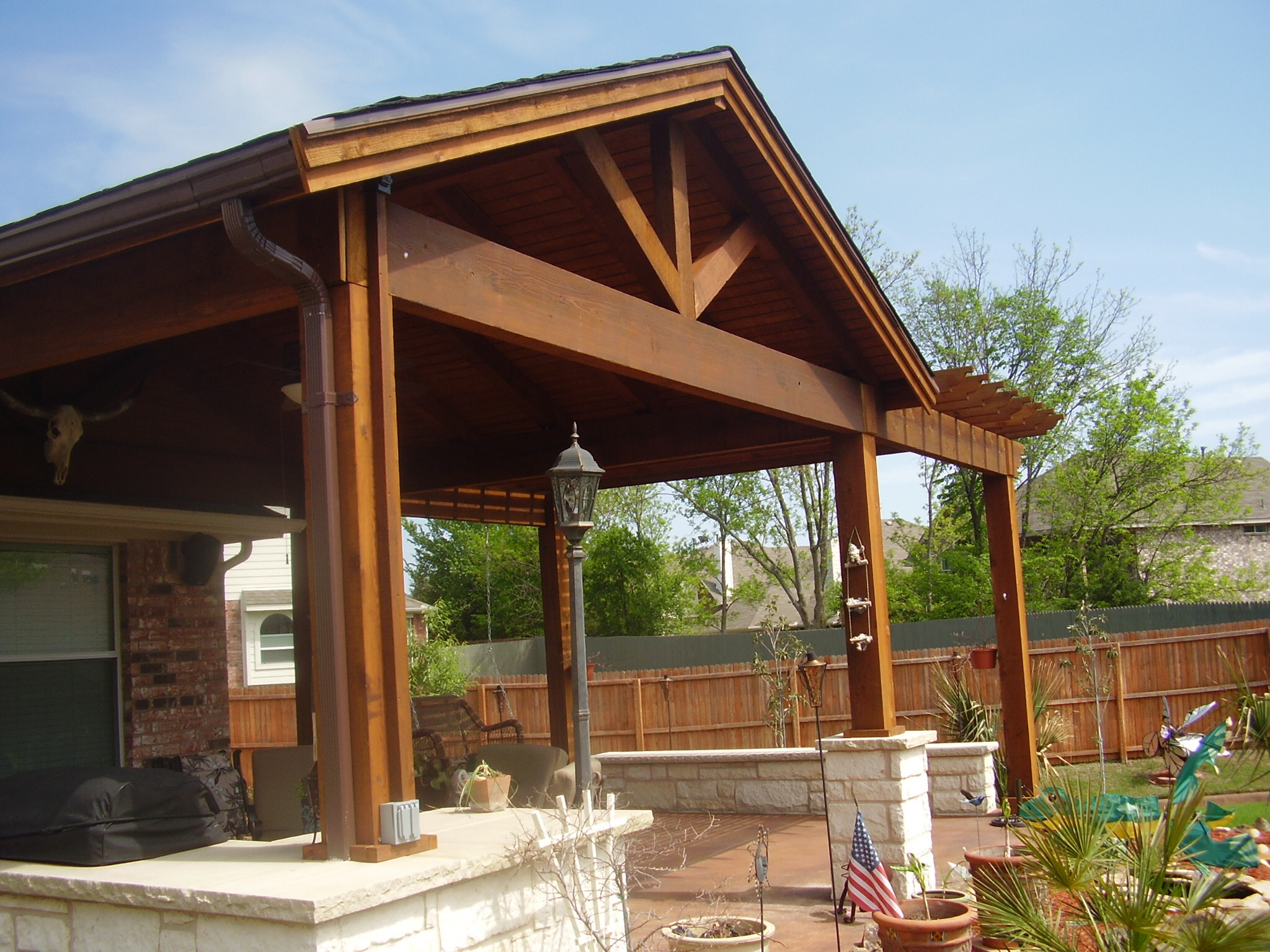
Solid patio covers, built from materials like insulated aluminum panels or standard roofing materials, block nearly all direct UV radiation, since no light passes through the structure at all. If UV protection is the top priority for a patio, a solid roof gives the most complete coverage available.
The trade-off is that a solid cover provides the same fixed amount of shade every day, with no way to let more light through on a cooler or overcast day when full shade is not really needed.
Louvered and Adjustable Covers
Adjustable louvered covers let you control how open or closed the roof is at any given time. Closed, they block UV about as effectively as a solid roof. Opened even partway, some UV gets through along with the extra light and airflow.
This flexibility appeals to homeowners who want the option to switch between full shade and more open, sunlit conditions depending on the day, rather than committing to one fixed level of coverage year-round.
Fabric and Shade Sail Options
Fabric-based covers and shade sails are the most flexible and often the most affordable patio cover option, but they generally offer the least UV protection of the group. Most shade fabrics block a meaningful portion of UV, somewhere in the range that most quality outdoor fabrics are rated for, but rarely reach the near-complete blocking that a solid roof provides.
These options tend to work best for a patio that gets moderate sun exposure or is only in use during certain parts of the day, rather than as the sole source of UV protection for a space used for hours at a time in direct summer sun.
Choosing Based on How You Use the Patio
The right choice really comes down to how much time you spend on the patio and during which parts of the day. A patio used mostly for entertaining in the evening does not need the same level of UV blocking as a patio where someone might spend several hours reading or working outside in the early afternoon sun.
Our team walks through sun exposure specific to your property during a patio cover design consultation, factoring in which direction your patio faces, how much of the day it sits in direct sun, and how you actually plan to use the space before recommending a material.