

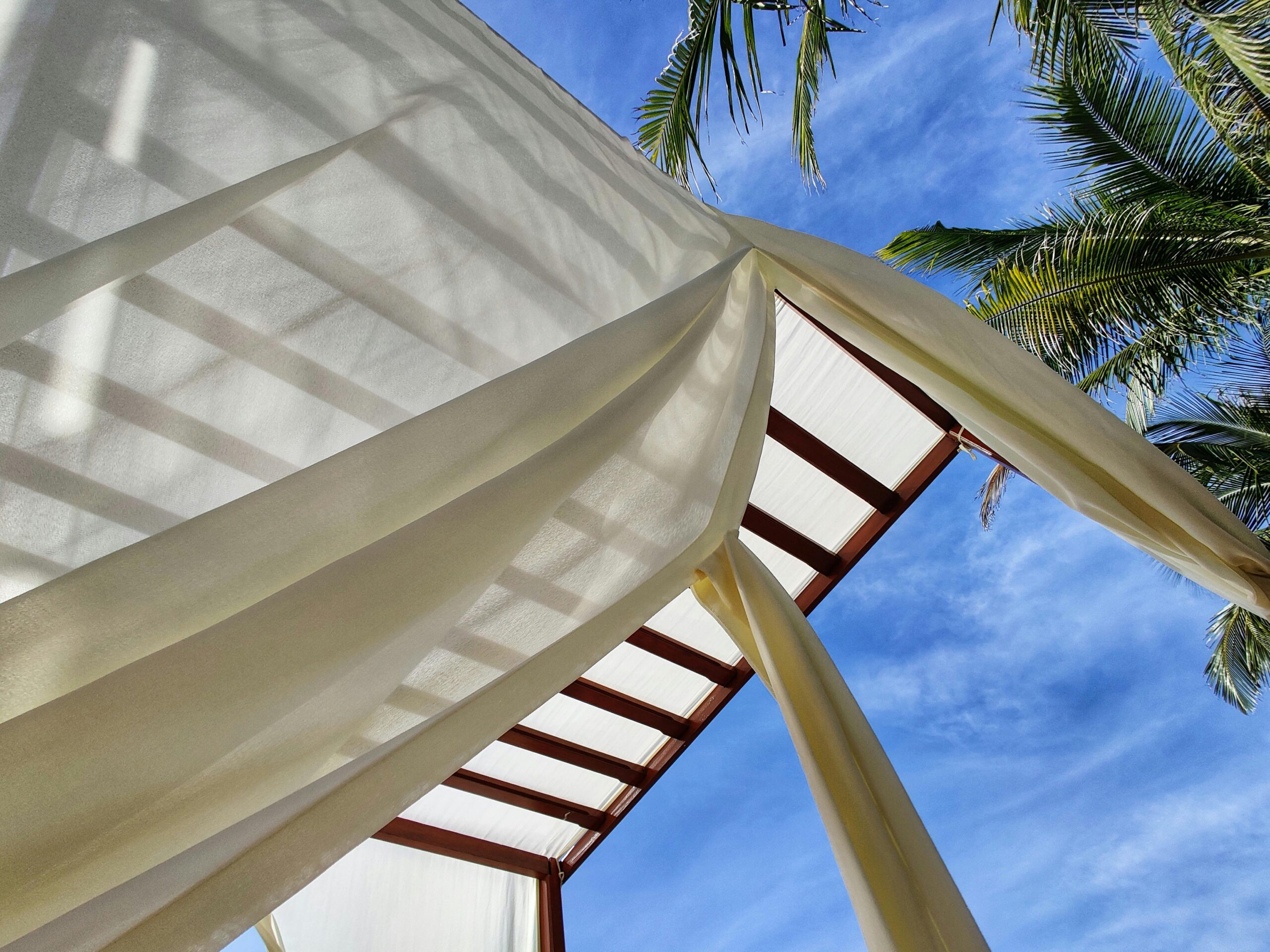
A patio cover is one of the hardest-working structures in a Denver backyard. It shields outdoor seating from the afternoon sun in summer, keeps the space dry during Colorado’s quick afternoon storms, and stretches the outdoor season into fall evenings that would otherwise be too chilly or wet to enjoy. Any dependable patio contractor in Denver, CO will tell you that since the cover works this hard year-round, it takes more seasonal punishment than most outdoor structures. A steady maintenance routine, broken down by season, is the most practical way to protect your investment and catch small issues before they turn into costly repairs.
Why Colorado Makes Patio Cover Maintenance Different
Colorado’s climate creates maintenance demands that homeowners from other states sometimes underestimate. The UV intensity at Denver’s elevation is significantly higher than at sea level, which degrades painted surfaces, sealants, and wood finishes faster than in most of the country. Freeze-thaw cycles in winter put stress on fasteners, sealant joints, and any wood components as temperatures swing repeatedly around the freezing mark. Hailstorms can arrive with little warning and leave surface damage that is not always visible until the structure is inspected up close.
Afternoon thunderstorms in summer can dump significant water in a short period, putting drainage systems and attachment points through real stress every season. Knowing what to look for, and when to look for it, is what keeps a patio cover in good condition for the long run.
Spring Maintenance Checklist
Spring is the right time for a thorough inspection after winter has done its work on the structure. Colorado winters include repeated freeze-thaw cycles, occasional heavy snow loads, and wind events that can loosen hardware and stress attachment points without causing damage that is visible from inside the house.
Work through these checks after the last risk of heavy snow has passed:
- Inspect all fasteners, bolts, and mounting hardware for rust or loosening. Tighten anything that has shifted and replace fasteners showing significant corrosion.
- Check sealant and caulk at all attachment points where the cover meets the house. Winter moisture expansion and contraction opens gaps over time. Recaulk any areas where the sealant has cracked, pulled away, or compressed.
- Clear any debris that accumulated over winter, including leaf matter, seed pods, and dirt that settled into channels or on top of the roof panels.
- If the patio cover has gutters or drainage channels, clear them completely and run a garden hose to confirm water flows freely before the first summer rain event.
- Inspect roof panels, whether polycarbonate, metal, or solid, for cracking, warping, or hail damage from winter storms. Small cracks in polycarbonate panels allow moisture in and expand into larger failures over a single season.
- Look at the posts and footings. Soil movement over winter can shift a post footing slightly. A post that has moved needs professional assessment before the structure takes full summer load.
Summer Maintenance Checklist
Summer maintenance focuses on the effects of Colorado’s intense sun and the occasional hailstorm that arrives without much warning. The UV load on a patio cover surface from June through August in Denver is high enough to degrade finishes measurably within a single season if they are not in good condition going in.
Work through these checks at the start of summer and again mid-season:
- Check painted or powder-coated surfaces for UV fading, bubbling, or chalking. These are signs that the protective coating is breaking down. Catching paint or coating issues early costs far less than a full refinish after the surface has oxidized.
- After any significant hailstorm, inspect the roof surface up close for pitting, dents in metal roof sections, or cracking in polycarbonate panels. Surface damage that goes unaddressed allows moisture in and speeds up larger structural issues.
- Check that any retractable or louvered components are operating smoothly. Lubricate any moving parts that show resistance or grinding. Both debris and UV exposure affect moving hardware over a full season.
- Confirm that drainage from the roof is clearing cleanly after summer rain events. Pooling water on a flat or low-pitch roof section adds weight and accelerates surface deterioration.
Fall Maintenance Checklist
Fall is the preparation season. Work done before the first hard freeze determines how well the structure comes through winter. Colorado’s first hard freezes can arrive in October, and any moisture that has infiltrated gaps, fasteners, or damaged panels will expand as it freezes and cause damage that was entirely preventable.
Work through these checks before the first expected hard freeze:
- Do a final deep clean of the roof surface, gutters, and drainage channels. Fall leaf accumulation in Denver’s tree-lined suburbs blocks drainage quickly and holds moisture against the roof surface all winter.
- Inspect and freshen any sealant that was applied in spring if it has compressed or cracked over the summer. This is the last chance to seal gaps before freezing temperatures set in.
- If the patio cover includes wood elements, apply a fresh coat of sealant or stain before winter. Wood that enters the cold season without a protective coat absorbs moisture from snow and rain, then swells and cracks as it freezes.
- Tighten all fasteners that showed any loosening during the year. Wind events in fall and winter put more load on a structure than the relatively calm summer season.
- If the patio cover has a louvered roof system, close the louvers before the first significant snowfall to reduce direct snow loading on the slats.
Winter Maintenance Checklist
Colorado winters do not require constant active maintenance on a patio cover, but a few specific conditions warrant attention. Heavy snowfall events are the primary concern, followed by the ice conditions that develop after a significant storm.
Work through these checks during and after major winter weather events:
- After a major snowfall, assess the accumulation on the patio cover roof. Most professionally installed patio covers are designed for Colorado snow loads, but an unusually heavy wet snowfall can exceed design loads. Gently clear accumulation with a soft broom or roof rake designed for the surface material. Never use a metal shovel or sharp tool on a patio cover roof.
- Watch for ice dam formation at the edges of the roof after a warm-then-freeze cycle. Ice dams prevent drainage and can force water back under roof panels or through sealant joints.
- After significant wind events, check visible fasteners and any structural connections that are accessible for movement or loosening.
- If you notice creaking, flexing, or unusual sounds from the structure during wind or snow loading, have it inspected by a professional rather than waiting until spring. These are structural signals, not cosmetic ones.
Material-Specific Notes for Colorado Patio Covers
Not all patio covers require the same maintenance approach. The material the structure is built from determines the specific care it needs year to year.
Aluminum patio covers require the least maintenance. They do not rust, warp, or rot, and powder-coated aluminum finishes hold up well against Colorado UV. The main maintenance tasks for aluminum covers are cleaning, hardware checks, and sealant inspection at attachment points. An aluminum cover installed correctly and maintained consistently is a low-demand structure.
Wood patio covers require the most active maintenance in Colorado. The UV intensity and moisture swings at Denver’s elevation are hard on unprotected wood surfaces. A wood patio cover needs a fresh coat of sealant or stain every one to two years to stay in good condition. Neglecting this schedule leads to surface cracking, moisture infiltration, and eventually structural degradation of the wood members.
Polycarbonate roof panels, used in some patio cover and pergola systems, should be cleaned with mild soap and water only. Abrasive cleaners scratch the surface and accelerate UV yellowing. Replace panels that have developed significant cracking rather than leaving them in place, since cracked panels allow water infiltration that the rest of the structure is not designed to handle.
When to Call a Professional
Some maintenance tasks are routine homeowner work. Others require a professional look before any action is taken. Reach out to us if you notice any of the following:
- Visible movement or lean in any post or column
- Structural creaking or flexing that was not present in prior seasons
- Fastener failure at the main attachment point where the cover meets the house
- Roof panels that have separated from the frame
- Post footings that appear to have shifted or settled
These are not cosmetic issues that can wait. Structural problems in a patio cover get worse, not better, under continued load from weather and use. A professional assessment catches them while they are still manageable.
Why Our Patio Covers Are Built for Colorado
We build patio covers designed and installed for Colorado’s specific conditions, including the UV load, snow design requirements, and freeze-thaw cycles that make this market different from warmer climates. Our team holds active Colorado contractor licenses, D20023 for concrete and D1090 for framing, and backs every structure we build with a lifetime warranty. If a patio cover we install develops a structural problem, we come back and fix it. No other patio contractor in the Denver area offers that guarantee.
Our Google rating is 4.8 stars across 194 verified reviews. We were also recognized as the Best Outdoor Living Contractor in Denver Metro for 2025. Beyond patio covers, we build pergolas, concrete patios, paver patios, stamped concrete, fire pits, outdoor kitchens, and retaining walls, and we handle the full build under one contract when the project includes multiple elements.
Related Topics: