

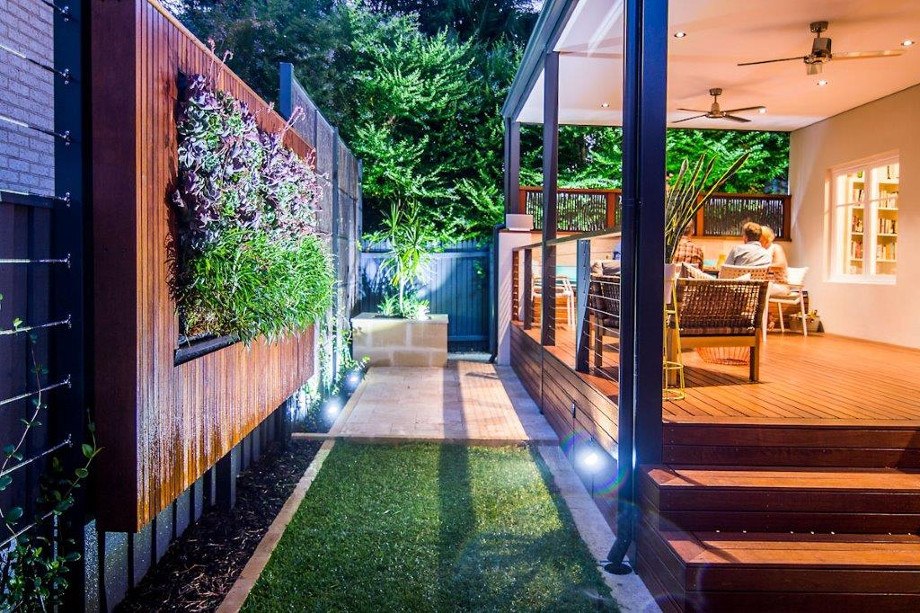
Building a patio extension doesn’t require pouring concrete. Eco-friendly options like recycled gravel and permeable pavers provide a sturdy base while supporting drainage and reducing water runoff. Denver’s expert patio contractors often recommend these materials for homeowners who want sustainability without sacrificing durability. This guide walks you through site prep, foundation materials, and finishing touches for a concrete-free patio project. The result is an outdoor space that looks great and holds up over time.
Choose the Right Foundation Materials
When building a patio extension without concrete, eco-friendly foundation materials blend well with your outdoor space. Recycled gravel makes a solid base layer; it reduces waste and gives your patio a stable footing. Crushed stone is another good option because it drains well and prevents water from pooling. Permeable pavers made from recycled materials take the eco-friendly approach even further. These pavers allow water to seep through, reducing runoff and helping recharge groundwater. Picking foundation materials that are both environmentally conscious and functional gives you a patio extension that looks good and supports sustainability.
Prepare the Patio Extension Site
To set up a strong foundation for your patio extension, start by clearing away any existing debris and vegetation. This step matters because it provides a clean surface for laying base materials later. Removing debris creates a smooth area to build on. Clearing vegetation also prevents unwanted growth from popping up beneath your patio extension, keeping everything solid over time. You can compost organic material to reduce waste and do something good for the environment. Recycle any materials you can reuse to keep the project sustainable. Taking time to prep the site properly sets you up for a patio extension that lasts.
Lay Out the Base Material
Start by spreading a layer of crushed gravel to create a stable and eco-friendly base for your patio extension. This gravel layer, sometimes called road base or Class 5 aggregate, drains well and helps keep the patio surface from shifting over time. Compact the gravel evenly using a mechanical compactor to build a solid foundation. Choosing crushed gravel over concrete is a more sustainable option that allows water to pass through, reducing runoff and supporting groundwater recharge. This approach benefits the environment while giving you a sturdy base that will support your patio extension for years.
Install Pavers or Decking
For your patio extension, installing pavers or decking creates a functional, attractive outdoor space. Here are the key steps:
- Choose the Right Material: Pick durable, weather-resistant pavers or decking that matches the look you want.
- Prepare the Surface: Make sure the ground is level, compacted, and cleared of debris before you start laying anything down.
- Lay the Pavers or Decking: Follow a pattern or design to arrange the pavers or decking securely.
- Secure with a Proper Base: Use gravel or sand as a base to stabilize everything and prevent shifting over time.
Secure Edging and Borders
When you secure edging and borders for your patio extension, you create a clean, defined boundary that makes the whole space look more polished. Using eco-friendly materials like reclaimed wood or recycled plastic adds style while supporting sustainability. Steel, aluminum, or composite edging offers durability and a modern feel. These materials stay in place over time, reducing maintenance. Getting the edging right keeps your patio extension looking sharp and structurally sound for years.
Add Finishing Touches
The right finishing touches take your patio extension to the next level, enhancing both its appearance and functionality.
- Solar-Powered Lighting: Light up the patio without adding to your energy bill by using solar-powered lights that charge during the day and glow at night.
- Vertical Gardens: Bring in greenery and herbs with vertical gardens that save space and create a fresh atmosphere.
- Permeable Pavers: Choose permeable pavers that let water seep through, reducing runoff while maintaining a clean appearance.
- Recycled Furniture: Add stylish furniture made from recycled materials for a sustainable touch that reduces waste.
Related Topics: