

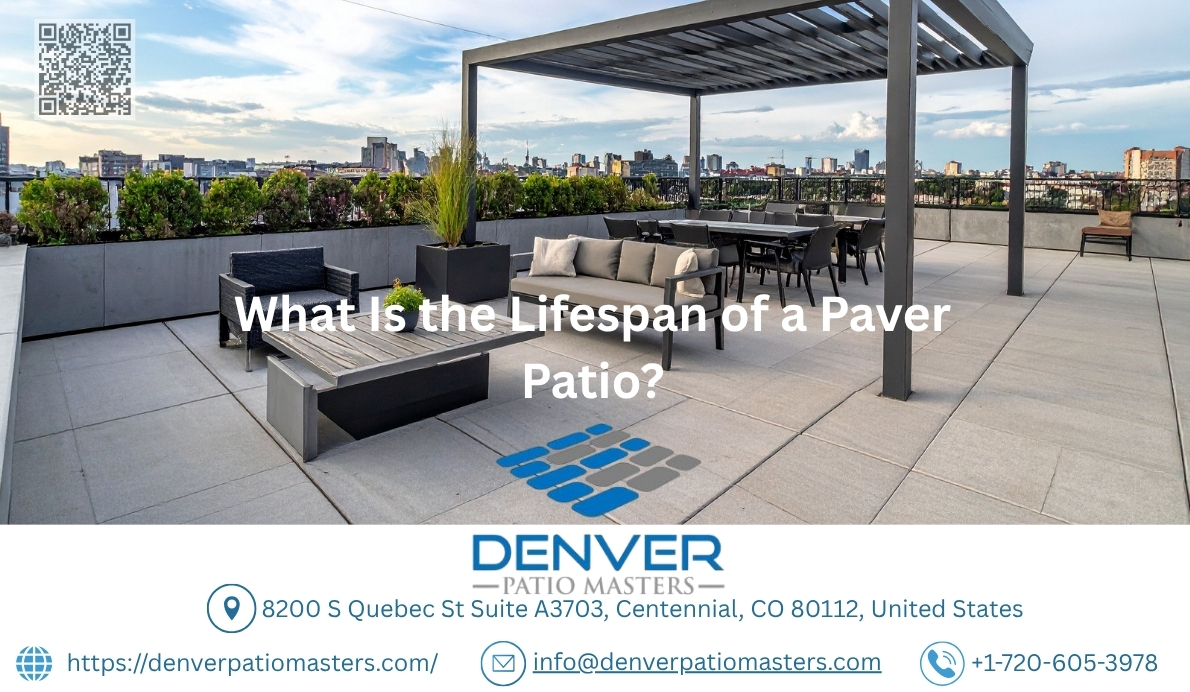
A patio is an outdoor living space, a paved area adjacent to your house, designed for relaxing, dining, and recreational activities. This versatile home feature traces back to the Spanish word for “courtyard,” referring to an inner garden space open to the sky that traditionally included plants and water features for natural cooling. Modern patios function as hard-surfaced extensions of residential properties, distinguished from porches by their ground-level positioning and open-air design. They are commonly constructed from materials such as stone, brick, or concrete. The concept has really grown on me lately, especially after seeing how many families transform these spaces into their go-to retreat areas with the help of a skilled patio contractor in Denver. There’s something about having that dedicated outdoor zone that just works.
Historical Roots of Patio Design
Ancient civilizations laid the groundwork for today’s patio concepts through their innovative courtyard designs. Greek homes featured central open areas called peristyles, where families gathered for social and cultural activities. Roman architecture took this further with impluvia – carefully planned central spaces that captured rainwater while providing natural lighting for interior rooms.
These early outdoor areas showcased intricate mosaic patterns, Mediterranean plantings, and sculptural elements that created peaceful environments for daily life. The Spanish later refined these ideas, developing the classic patio style that emphasized cooling elements and the integration of gardens.
Why Patios Matter for Modern Homes
Today’s patios serve multiple functions that extend far beyond simple outdoor seating. They create smooth transitions between interior and exterior living spaces, giving homeowners flexible areas for entertainment, quiet reflection, or family meals. The psychological benefits are pretty significant too – having direct access to fresh air and natural light can reduce stress levels and boost creativity.
Real estate professionals consistently note that well-designed patios increase property values, sometimes by 8-10%, according to recent market analysis. This outdoor investment pays dividends both in daily enjoyment and long-term home equity.
Material Options for Patio Construction
Natural Stone Selections: Flagstone, limestone, and sandstone offer durability with distinctive character. Each piece brings unique textures and color variations that age beautifully over time. Natural stone typically costs more upfront but provides decades of low-maintenance service when properly installed.
Brick and Pavers Classic red brick creates timeless appeal, while modern concrete pavers come in countless colors and patterns. These modular options allow for creative designs and easier repairs if individual sections get damaged.
Concrete Solutions: Stamped concrete mimics expensive materials at a fraction of the cost. Decorative finishes can replicate slate, tile, or even wood textures. Concrete offers the smoothest surface for furniture placement and wheelchair accessibility.
Planning Your Patio Space
Size considerations depend on the intended use – intimate coffee nooks may need 8×8 feet, while entertainment areas benefit from 12×16 feet or larger. Location matters tremendously; morning sun exposure works great for breakfast areas, while western placement suits evening gatherings.
Drainage planning prevents water pooling, which can damage both the patio surface and nearby foundation walls. Professional contractors typically recommend slight slopes away from the house structure.
Maintenance Requirements by Material Type
Different patio materials demand specific care routines. Natural stone needs annual sealing to prevent staining and freeze damage. Brick patios benefit from occasional re-sanding between joints to prevent weed growth.
Concrete surfaces require power washing every few years and crack repair as needed. Wood decking attached to patios needs regular staining or sealing to prevent weathering and insect damage.
Customer reviews on home improvement platforms consistently highlight that proper maintenance extends patio life significantly – often doubling the usable years compared to neglected installations.
Design Trends and Functionality
Modern patio design emphasizes outdoor room concepts with defined zones for cooking, dining, and relaxation. Fire features, such as built-in fire pits or portable fire bowls, extend seasonal use into cooler months.
Lighting plays a crucial role in both safety and ambiance. Solar-powered options have improved dramatically, offering reliable illumination without electrical work.
Container gardening around patio edges softens hard surfaces while allowing seasonal color changes. Many homeowners report that this flexibility keeps their outdoor space feeling fresh year after year.
The beauty of patio spaces lies in their adaptability – they can shift from quiet morning coffee spots to lively weekend entertainment hubs with just a few furniture adjustments. Whether you’re planning a simple concrete pad or an elaborate stone courtyard, understanding these fundamentals helps create outdoor living areas that truly complement your lifestyle.
Contact Us
Need help designing or building your dream outdoor space? Reach out to Denver Patio Masters, Colorado’s patio and outdoor living specialists.
Address: 8200 S Quebec St, Suite A3703, Centennial, CO 80112
Phone: (720) 626-4010
Email: info@denverpatiomasters.com
Business Hours: Monday – Sunday: 9:00 AM – 5:00 PM
Whether you’re ready to start a project or want a free consultation, give them a call, send an email, or visit their contact page to connect with the team and begin transforming your outdoor living space.
Resources:
What Is the Lifespan of a Paver Patio?
— Denver Patio Masters (@denverptmt) January 9, 2026
✨ Learn More: https://t.co/8vW8DSXwe2
📍 Find us: https://t.co/V4yG4L4tgW#DenverPatioMasters #patiocontractorinDenver #pergolas #patios pic.twitter.com/lJlhTycxiT
Related Topics: