

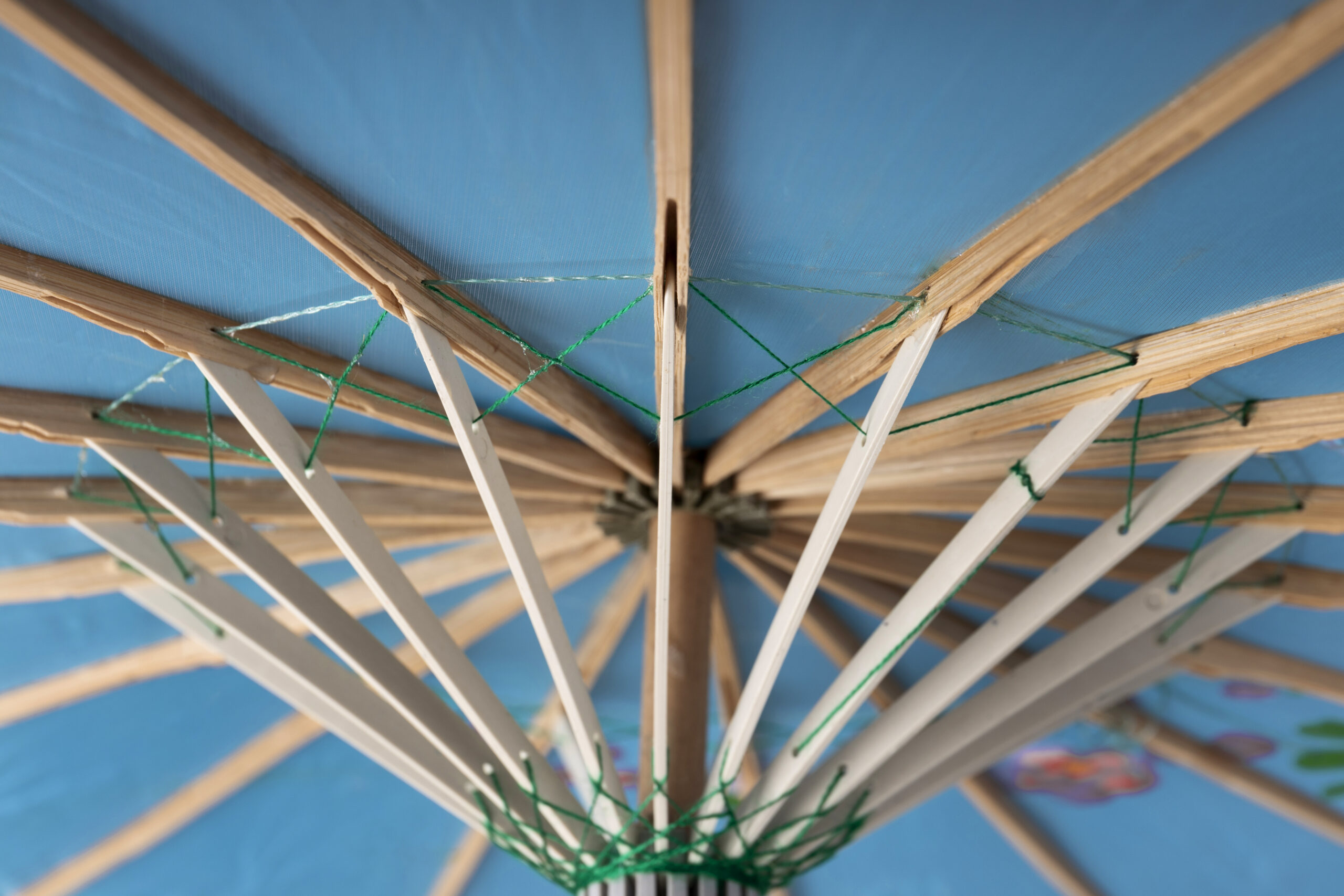
Patio covers have moved past the fixed-panel, set-it-and-forget-it model. Automated systems now let you adjust shade level, close up ahead of incoming weather, and manage how much light and heat reach your outdoor space without getting up from your chair. For Denver homeowners dealing with afternoon sun that hits hard at elevation and summer storms that roll in fast, that level of control changes how much time you actually spend outside.
Working with a patio improvement contractor who has experience installing these systems in Colorado’s specific conditions is what separates a setup that runs reliably for years from one that creates ongoing problems. Here’s what you need to know before choosing one.
What Is an Automated Patio Cover?
An automated patio cover uses a motor-driven system to open, close, or adjust the overhead structure without manual operation. The two most common types of residential patios are motorized louvered pergolas and motorized retractable awnings.
Motorized louvered pergolas have overhead slats that rotate on a motor-driven axis. Fully open, the slats let in light and air. Fully closed, they block rain and shade the space beneath. A remote, wall switch, or app controls the angle.
Motorized retractable awnings have a fabric or screened panel that extends and retracts on a motorized track. These are typically attached to the home and extend over part of the patio. Less structurally complex than a louvered pergola, but lower cost.
How Weather Sensors Work With Automated Covers
Weather sensors connect to the motor and trigger movement automatically, based on environmental conditions.
Wind sensors detect wind speed above a set threshold and automatically retract or close the structure to prevent damage. This is the most practically useful sensor for Denver patios, where afternoon gusts can pick up quickly ahead of a storm. Rain sensors detect moisture and trigger the cover to close before rain reaches the patio surface. For a louvered pergola, the slats close automatically when precipitation starts. For a retractable awning, the fabric retracts to prevent water pooling and fabric damage.
Sun sensors measure UV or light intensity and adjust the cover position to maintain a target shade level as the sun moves across the sky. These are particularly useful for west-facing patios that get full afternoon sun at Denver’s latitude and elevation. Most residential systems use wireless sensors that are easier to install and position without running additional conduit.
Why Automated Covers Make Sense for Denver Specifically
Denver’s weather patterns create specific conditions where automated systems earn their cost.
Afternoon thunderstorms from June through August arrive quickly and often without much warning. A wind or rain sensor that triggers automatically means the cover closes before the storm hits, without requiring someone to be home or watch a weather app. That matters significantly for homeowners who leave patio furniture and outdoor spaces unattended during the day.
UV intensity at 5,280 feet is higher than at sea level. A sun sensor that adjusts the louvered slats throughout the day reduces UV exposure on outdoor furniture and patio surfaces, extending their lifespans while keeping the space more comfortable during peak afternoon hours.
What to Consider Before Choosing an Automated System
Motorized louvered pergola systems are heavier than standard open-beam pergolas, and the posts and footings must be sized to accommodate the additional load. A contractor who has installed these systems knows the structural requirements. One who hasn’t may underspecify the foundation, creating problems down the line.
Motor systems need power, and a louvered pergola positioned in the middle of a backyard requires an electrical run from the home to the structure. That work needs to be permitted and inspected in most Denver metro jurisdictions, so factor it into the project budget before committing to a location.
Automated cover systems require HOA architectural review in most Denver metro communities. The motorized components typically don’t add additional review complexity, but the structure itself must meet the HOA’s material, color, and placement requirements. Denver Patio Masters manages the full HOA submission process for every project that requires it, with 85% of clients in HOA communities.
Louvered pergola systems also need to be rated for snow load if they will be closed during winter months, so confirm the manufacturer’s specifications match your elevation before finalizing a system.
Automated Covers vs. Standard Patio Covers
A standard patio cover provides fixed overhead protection. It blocks rain and sun from a set position and does not adjust. The trade-off is simplicity: fewer components, lower maintenance requirements, and a lower upfront cost.
An automated system gives you flexibility that a fixed cover cannot. The ability to move from full sun to full shade to partially closed based on conditions means the space works across more situations, but that flexibility comes at a cost in both the initial installation and mechanical components that require occasional maintenance over time.
For homeowners who want the outdoor space to work with minimal intervention across Denver’s variable weather, an automated louvered system is worth the additional investment. For homeowners who primarily want rain and sun protection without added complexity, a well-built fixed patio cover delivers that reliably at a lower cost.
What a Quality Installation Looks Like
The motor system and sensors are only as reliable as the structure they are mounted to. An automated louvered pergola installed on undersized posts with inadequate footings or without proper electrical protection will create problems regardless of how good the motorized components are.
A proper installation for Colorado conditions includes footings sized for the load and local frost depth, outdoor-rated electrical connections with GFCI protection, and a motor system with documented ratings for snow load and wind resistance. Denver Patio Masters installs patio covers and pergolas with Colorado’s specific conditions built into every installation, with 4.8 stars across 194 Google reviews and a lifetime warranty, the only one offered by any outdoor living contractor in Colorado. Financing is available through SVC Financial, including 0% interest options.
Related Topics: