

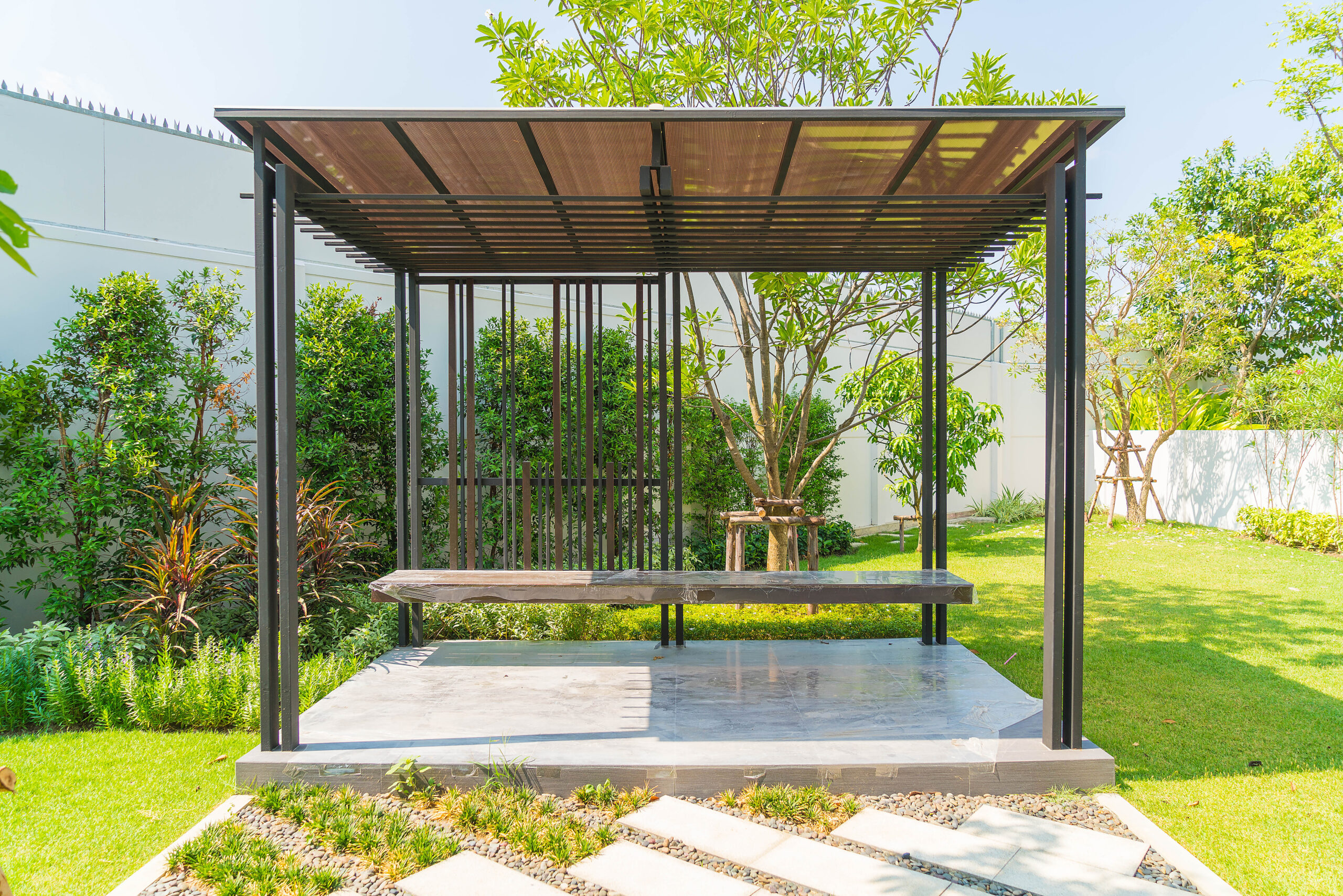
Adding a pergola to your Denver patio gives you a defined outdoor living space that works harder across more of the year. Colorado’s weather runs the full range, from intense summer sun to afternoon thunderstorms to crisp fall evenings, and a pergola addresses all of it by creating structure, shade, and a reason to actually use your backyard.
For homeowners in HOA communities across Centennial, Lone Tree, and Inverness, it also adds a design element that holds up to architectural review without compromising curb appeal. A custom patio contractor in Denver can help you figure out the right size, style, and materials to make the structure work for your specific yard and how you plan to use it.
Here is what Denver homeowners consistently get out of the decision.
Does a Pergola Provide Shade in Denver’s Sun?
Yes, and shade matters more in Denver than most homeowners expect before they experience a Colorado summer firsthand.
Denver sits at an elevation of 5,280 feet. UV intensity at that altitude is significantly higher than at sea level, which means the afternoon sun hits harder and faster. A pergola with a solid or slatted overhead structure filters direct sunlight across your patio surface, outdoor furniture, and anyone sitting under it. A louvered pergola takes that further by letting you adjust the slats based on sun angle and time of day.
For a backyard that faces west or southwest, a pergola is one of the most practical additions you can make.
Can a Pergola Handle Denver’s Afternoon Thunderstorms?
A standard open-beam pergola filters light but does not block rain. If full weather protection is your goal, a patio cover is the right structure. But for homeowners who want shade with some flexibility, a louvered pergola closes its slats when the weather rolls in and opens them when the sky clears.
Denver’s afternoon storms from June through August are typically fast-moving. A louvered system handles those conditions well. If you entertain regularly and want to stay outside regardless of the weather, that is the version worth considering.
Does Adding a Pergola Increase Home Value in Denver?
Outdoor living space is a recognized value-add in the Denver real estate market. A well-built pergola increases usable square footage, improves the visual appeal of the backyard, and gives prospective buyers something concrete to factor into their offer.
The lifetime warranty from Denver Patio Masters transfers at home sale, which adds a layer of documented protection that buyers notice. That is not something most contractors can offer. Denver Patio Masters is the only outdoor living contractor in Colorado providing a lifetime warranty across all installations, including pergolas.
Will My HOA Approve a Pergola?
Most HOAs in the Denver metro approve pergola installations when the right materials, colors, and placement specs are submitted through the architectural review process. The issue for most homeowners is not the approval itself but the paperwork required to get there.
Denver Patio Masters manages the full HOA submission process for every client who needs it. That means the site plan, material specifications, dimensions, and contractor documentation are prepared and submitted by the team, not handed off to the homeowner to figure out. 85% of Denver Patio Masters clients are in HOA-governed communities, and the team handles every one of those submissions.
If you live in Centennial, Lone Tree, Highlands Ranch, or any other HOA-heavy suburb, that handling is already built into the process.
What Pergola Materials Hold Up Best in Colorado?
Aluminum is the lowest-maintenance option for Colorado conditions. It does not warp, rot, or require regular sealing, and it holds up through freeze-thaw cycles without degrading. Powder-coated finishes on aluminum pergolas also resist UV fading better than painted wood at Denver’s elevation.
Cedar and redwood are worth considering if the natural wood aesthetic matters to you. Both hold up reasonably well with maintenance, but plan to stain or seal every two to three years in Colorado’s dry, UV-intense climate.
Louvered pergola systems are typically aluminum-framed. If you are considering that option, check the manufacturer’s snow load rating for your specific elevation.
What Is a Louvered Pergola and Is It Worth the Cost?
A louvered pergola has adjustable slats across the roof structure that you can open or close depending on the sun and weather. Fully open, it functions like a standard pergola. Closed, it provides partial rain protection and full shade.
The cost is higher than a standard open-beam pergola because of the mechanical slat system. For homeowners who want a space they can use in variable Colorado weather without committing to a fully enclosed patio cover, the louvered version is the middle-ground option that gets used the most.
Denver Patio Masters builds both standard and louvered pergolas, and the free in-home consultation walks through which option fits your space, budget, and HOA requirements.
How Long Does a Pergola Installation Take in Denver?
Most pergola installations are completed within a few days to a week, depending on size, complexity, and whether the structure is freestanding or attached to the home. HOA-dependent projects add time to the front end of the schedule while the application is under review, but construction itself moves quickly once approval is in hand.
Denver Patio Masters factors the HOA timeline into project scheduling from the start, so there are no surprises once the approval comes through.
Can a Pergola Be Combined With Other Outdoor Features?
A pergola works well as part of a larger outdoor living project. Homeowners regularly pair a pergola with a paver patio surface, an outdoor kitchen, or a fire pit area to create a complete outdoor space rather than a single feature. Denver Patio Masters handles all of those services under one contract, which means the design stays consistent and the timeline does not depend on coordinating multiple contractors.
If you are planning a full backyard project, the free in-home consultation covers all of it in a single visit.
Frequently Asked Questions
Can I add lighting or a ceiling fan to my pergola? Yes. Both are common additions to pergola installations. Lighting and ceiling fans are typically wired during the construction phase rather than added afterward, so it is worth discussing during the consultation if either is on your list.
Does a pergola need a concrete base, or can it sit on an existing patio? A pergola can be anchored to an existing concrete slab or paver surface in most cases. The installation method depends on the condition of the existing surface and the structural requirements of the specific pergola design. Denver Patio Masters assesses the existing surface during the free consultation before recommending an approach.
What is the difference between a freestanding and an attached pergola? An attached pergola connects directly to the home’s exterior wall and uses the structure as one of its anchor points. A freestanding pergola stands independently in the yard. Attached structures typically have different HOA and permit implications than freestanding ones, and the installation requirements differ. Denver Patio Masters builds both.
How do I get started with a pergola installation in Denver? Schedule a free in-home consultation with Denver Patio Masters. A team member visits your home, reviews the space, walks through design and material options, and provides a written estimate at no cost and no obligation. If HOA approval is required, the team handles that process from that point forward.
Contact Us
Need help designing or building your dream outdoor space? Reach out to Denver Patio Masters, Colorado’s patio and outdoor living specialists.
Address: 8200 S Quebec St, Suite A3703, Centennial, CO 80112
Phone: (720) 594-0235
Email: info@denverpatiomasters.com
Business Hours: Monday–Sunday: 9:00 AM–5:00 PM
Whether you’re ready to start a project or want a free consultation, give them a call, send an email, or visit their contact page to connect with the team and begin transforming your outdoor living space.
Related Topics: