

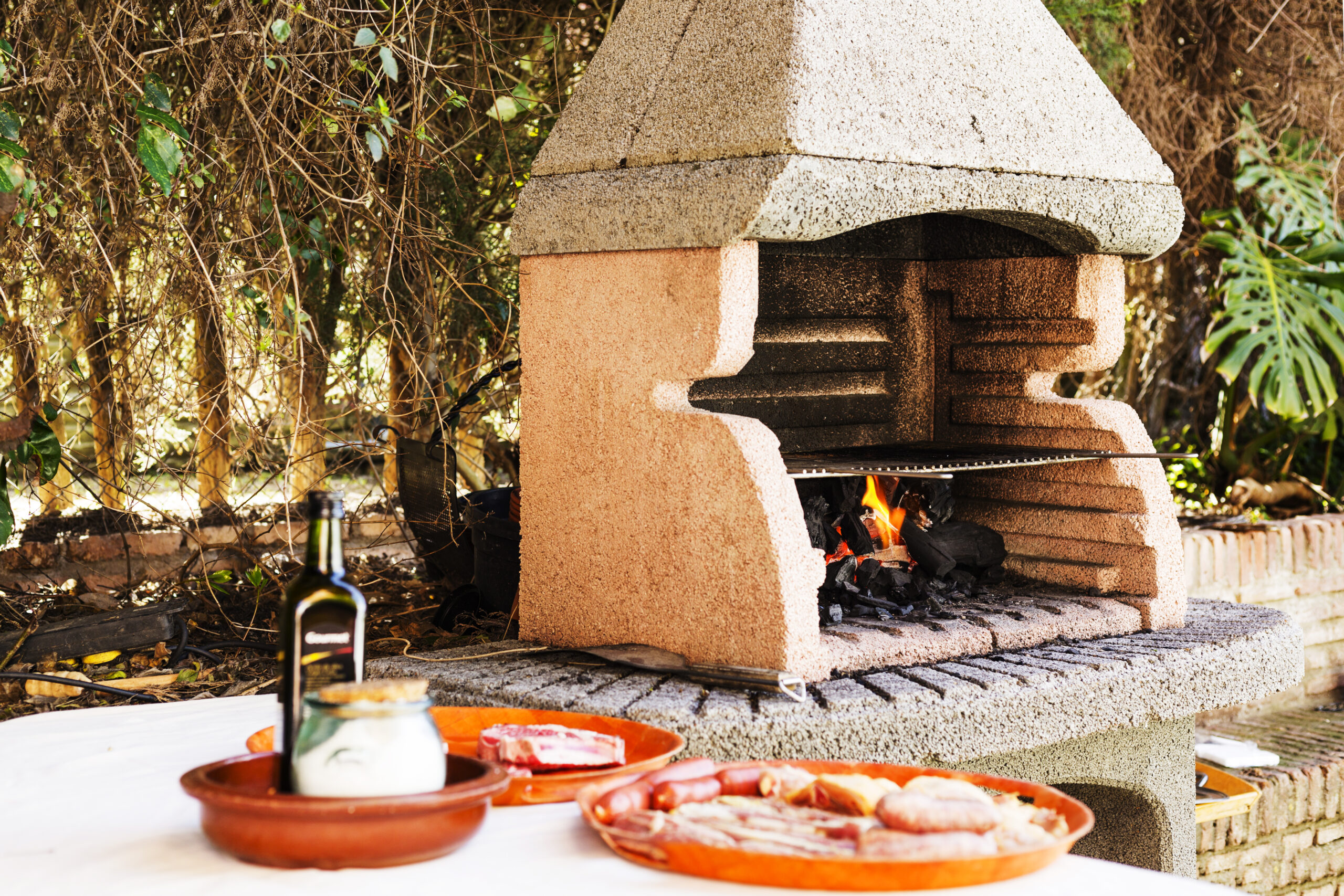
A fire pit is one of the most-requested features a reliable patio contractor adds to Denver backyards. It extends the usable season, anchors the seating area, and gives the backyard a focal point that a plain patio surface cannot provide on its own. It also comes with more regulatory and safety considerations than most other outdoor features.
Before you build, there are local codes, HOA rules, and safety standards worth understanding. None of them are prohibitive for a well-planned project, but skipping this step is how homeowners end up with a fire pit that gets flagged, fined, or facing a safety problem they did not anticipate.
Local Codes That Apply to Fire Pits in Denver
Fire pit regulations in the Denver metro fall under two separate frameworks: city or county building codes, and local fire codes enforced by the relevant fire district.
In the City and County of Denver, permanent fire pits, meaning any built-in gas or wood-burning feature attached to the ground or a patio structure, typically require a building permit. Portable fire pits generally do not, though open burning restrictions still apply when fire bans are in effect.
For homeowners in surrounding municipalities such as Centennial, Lone Tree, Highlands Ranch, and Parker, the applicable code is the city or county jurisdiction where the property sits, not the City of Denver code. Requirements vary. Some jurisdictions require permits for gas fire features above a certain BTU output; others focus primarily on setback distance from structures and property lines.
The general setback standard across most Denver metro jurisdictions is a minimum of 10 feet from any structure, fence, or overhead coverage. Gas fire pits with fixed lines have additional requirements around the gas connection, shut-off access, and in some cases require a licensed gas plumber for the line work.
Our team holds active Colorado contractor licenses, D20023 for concrete and D1090 for framing, and we handle permit research and submission as part of the project. You do not have to sort through jurisdiction-specific requirements on your own.
HOA Rules for Fire Pits in Denver Suburbs
HOA rules for fire pits are often more restrictive than local code, and they are the more common friction point for homeowners in planned communities across Centennial, Lone Tree, Inverness, Castlewood, and Willow Creek.
Many HOA communities in the Denver metro allow gas fire pits but prohibit or significantly restrict wood-burning fire features. Smoke, ash, and perceived fire risk are the reasons most HOAs give. If your community allows fire features at all, confirm which fuel type is permitted before the project begins.
HOA setback requirements for fire features are often more conservative than local code. A 10-foot setback from local code can become a 15 or 20-foot setback under HOA rules in the same community. HOA architectural guidelines also often specify what materials a built-in fire pit can use, or require that the finish match or complement the primary patio material. Some communities additionally regulate the height and footprint of a built-in fire feature, meaning a large raised fire pit may require more detailed review than a flush ground-level design.
We manage the full HOA approval process for 85% of our projects. For fire pit installations, that means preparing the site plan, material specs, and dimensions that the architectural review committee needs and submitting on your behalf. When a fire feature is being added as part of a larger patio project, we handle the full submission for the entire scope in one application.
Colorado-Specific Fire Safety Considerations
Colorado’s climate adds context that matters for fire pit safety beyond what code requires.
Colorado’s front range is subject to seasonal and emergency fire bans that prohibit open burning, including wood-burning fire pits, when fire danger is elevated. Gas fire pits are typically exempt from most fire ban restrictions, which is one reason gas is the practical choice for homeowners who want reliable year-round use. If you want a fire feature that works on a fire ban night in July, gas is the answer.
Denver and the surrounding foothills experience consistent wind, and wind direction shifts. The placement of a fire pit relative to the primary seating area and any overhead structure affects both safety and comfort. A fire pit positioned where smoke regularly blows toward guests or toward a patio cover or pergola is a problem that starts at the design stage.
At Denver’s elevation of 5,280 feet, UV intensity degrades materials faster than at lower elevations. Fire pit capstone and surround materials that hold up through both UV exposure and freeze-thaw cycles, such as natural stone, porcelain, and concrete block, perform better over time than materials not specified with Colorado conditions in mind.
Built-In vs. Portable Fire Pits: What the Difference Means for Permits and HOA
The built-in vs. portable distinction matters for both permitting and HOA review.
Portable fire pits are freestanding units not attached to the ground or any permanent structure. They do not require a building permit in most Denver metro jurisdictions. HOA rules vary. Some communities allow portable fire features within certain size limits; others require approval regardless of whether the feature is permanent.
Built-in fire pits are permanent features constructed from masonry, concrete, or stone, integrated into the patio design, and often connected to a gas line. These require a building permit in most jurisdictions and almost always require HOA architectural review. The design, placement, and material specs need to be documented and submitted before construction begins.
For homeowners who want a fire feature designed as part of the patio rather than sitting on top of it, built-in is the right approach. It looks better, integrates with the patio surface and surrounding features, and adds permanent value to the outdoor space. The permit and approval process is manageable. It just needs to happen in the right sequence.
How a Fire Pit Fits Into the Full Outdoor Space
A fire pit works best when it is planned as part of the outdoor space rather than added as an afterthought. The most functional layouts position the fire feature in the seating zone, at a comfortable distance from the cooking area, with clear sightlines between the two.
For homeowners building a full outdoor space, a common layout pairs a fire pit in the gathering area with an outdoor kitchen on the opposite side of the patio: cooking and entertaining on one end, seating and fire on the other. A pergola or patio cover over the kitchen side ties the full space together without putting overhead combustible material directly above the fire feature.
Our design-to-build process handles the full project, from surface to structure to fire feature, under one contract designed together from the start so the proportions and safety clearances are built in from the beginning rather than retrofitted.
Every installation, including fire pits, is backed by our lifetime warranty. We are the only outdoor living contractor in Colorado offering a lifetime warranty across all services. Our 4.8-star rating across 194 Google reviews reflects customers who use these spaces exactly as planned.
Getting Started With a Fire Pit Project
The process starts with a free in-home consultation. Our team visits your property, reviews the layout options, and walks through what the permit and HOA approval process looks like for your specific community. You receive a written estimate that covers the full scope with no vague line items and no surprises after you have signed.
Financing through SVC Financial is available for fire pit projects, including as part of a larger patio build. 0% interest options are available for qualifying projects, and pre-approval is available before you commit.
Related Topics: