

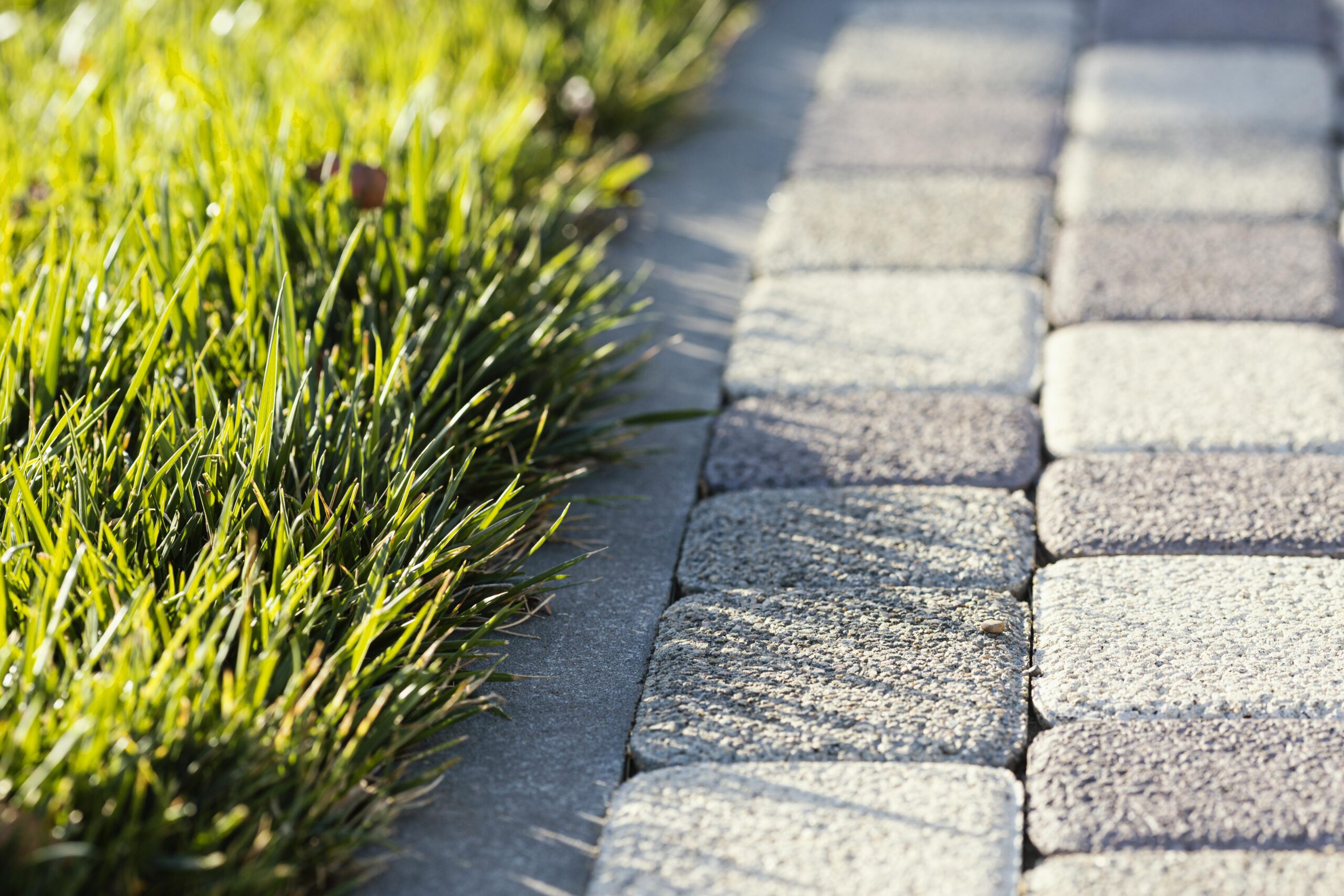
The surface of a paver patio gets most of the attention, but the edges give it a finished look. A well-designed border does more than hold the field pavers in place. It creates a visual frame, defines where the patio ends and the yard begins, and adds a layer of design detail that holds up over time.
In Denver’s HOA-heavy suburbs, edge and border choices also need to clear architectural review, which means material and color selection matter from the start. Working with a high-quality patio contractor in Denver who understands both the design options and the HOA process makes that easier. Here’s how Denver homeowners are using paver borders to sharpen the look of their outdoor spaces.
Why Paver Borders Matter More Than Most Homeowners Expect
A paver patio without a defined edge tends to look unfinished, even when the field pattern is well-executed. The border is the detail that signals intention, telling anyone looking at the space that the design was thought through rather than just laid out.
Structurally, edge restraints and border courses also prevent field pavers from shifting outward over time. Colorado’s freeze-thaw cycles put lateral pressure on any paved surface through winter, and a properly installed border course backed by adequate edge restraint keeps the overall installation tight through multiple seasons.
Denver Patio Masters installs paver patios with Colorado’s freeze-thaw conditions built into the base preparation and edge detailing, and every installation carries a lifetime warranty, the only one offered by any patio contractor in Colorado.
Contrasting Border Courses
The most common paver border approach uses a different color or texture for the outer course than the field. A charcoal border around a tan or beige field patio reads as a clean, deliberate frame. A buff or cream border around a darker field softens the overall look.
Contrasting borders work best when the color difference is clear but not jarring. A one-shade step in either direction tends to look intentional, while a five-shade jump can look mismatched unless the design is built around high contrast from the start.
Concrete paver manufacturers like Belgard and Unilock offer coordinated color families specifically for this paired design, making it easier to choose field and border colors that work together.
Soldier Course Borders
A soldier course sets border pavers upright on their long edge, perpendicular to the field. The vertical orientation creates a raised visual line around the perimeter that reads differently from a standard flat border.
Soldier courses are particularly effective around curved patio edges, where the upright pavers follow the arc and create a defined, sculptural outline. On rectangular patios, they add a formal, structured look that suits homes with traditional architecture.
For Colorado installations, soldier course pavers need solid backing in the base and a reliable edge restraint system since freeze-thaw movement is more likely to affect vertically set pavers than flat-laid field pavers when the base prep isn’t done correctly.
Sailor Course Borders
A sailor courses the border pavers flat on their wide face, parallel to the edge of the patio. It creates a wider border band than a standard single course and gives the patio a heavier, more grounded visual frame.
Sailor courses work well when the patio is large enough that a single border course would look thin relative to the overall surface. A wider border also allows for a third paver color or texture to serve as a transition between the sailor course and the field, adding depth to the overall design.
Mixed Material Borders
Pavers don’t have to match across the entire surface. A natural stone border around a concrete paver field, or a tumbled paver border around a smooth-faced field, introduces texture variation that adds visual interest without changing the overall color palette.
Mixed-material borders require more planning at the specification stage because the pavers must be compatible in thickness and installation requirements. Denver Patio Masters walks through material options during the free in-home consultation, including which combinations work well in Colorado’s climate and which are likely to cause problems over time.
Curved and Freeform Borders
Not every patio has a rectangular footprint. Curved patios, kidney shapes, and freeform edges are common in yards where the landscaping or existing grade doesn’t suit a straight-sided design.
Curved borders use cut pavers or purpose-made radius pieces to follow the arc without gaps or awkward angles. The cutting precision required for a clean curved edge is one of the details that separates a well-executed paver installation from one that looks rough at the perimeter.
For yards in HOA communities, curved patio designs sometimes require a rendering or photograph in the HOA application to help the architectural review committee visualize the finished shape. Denver Patio Masters prepares all HOA documentation as part of the standard project process, including any supporting visuals the committee requires.
HOA Considerations for Paver Borders in Denver Suburbs
Most HOAs in Centennial, Lone Tree, Inverness, and similar Denver suburbs regulate paver color and material finish rather than specific design patterns. A contrasting border or soldier course is generally approvable as long as the colors fall within the HOA’s approved palette.
The issue homeowners most often run into is submitting a design with materials the HOA hasn’t pre-approved, which results in a revision request and a longer timeline. Working with a contractor who knows what the common HOAs in the area require saves that round trip. 85% of Denver Patio Masters clients are in HOA-governed communities, and the team handles all HOA paperwork and submissions, including material specifications and color documentation, for every project that requires it.
Related Topics: